
Choosing between a tankless and traditional tank water heater is one of the biggest decisions homeowners face when it is time for a replacement. Both have real advantages and trade-offs. Here is a straightforward comparison to help you decide.
How Tank Water Heaters Work
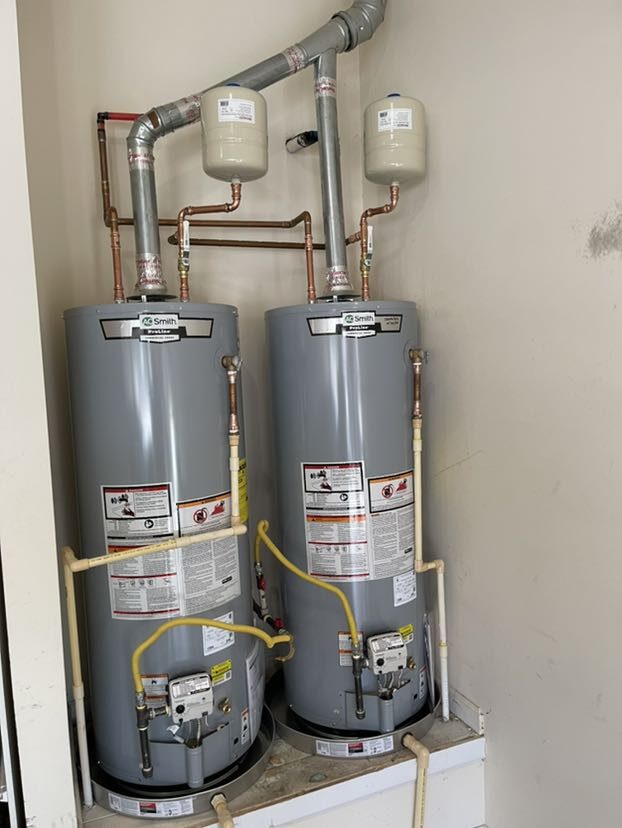
A tank water heater stores 30 to 80 gallons of hot water in an insulated tank, keeping it ready for use at all times. When you turn on a hot water faucet, heated water flows from the top of the tank while cold water enters the bottom to be heated. This is the most common type found in homes across Woodstock, Canton and the surrounding area.
How Tankless Water Heaters Work
A tankless water heater heats water on demand as it flows through the unit. There is no storage tank, so the unit only runs when you need hot water. This eliminates standby energy loss, which is the energy wasted keeping a tank of water hot 24 hours a day.
Cost Comparison
Tank water heaters cost less upfront, typically ranging from $800 to $2,000 installed. Tankless units cost more initially, usually $2,500 to $4,500 installed, but they use 24 to 34 percent less energy for homes that use 41 gallons or less of hot water daily. Over a 15 to 20 year lifespan, tankless units often have a lower total cost of ownership. We offer flexible financing to make either option affordable.
Lifespan and Maintenance
Tank water heaters last 8 to 12 years on average. Tankless units can last 15 to 20 years or more. Both types benefit from regular maintenance, but tankless units require periodic descaling, especially in areas with hard water like many parts of Kennesaw and Acworth. When issues arise, tankless water heater repair is typically less disruptive than replacing an older tank unit.
Space and Installation
Tank water heaters take up significant floor space, usually in a garage, basement or utility closet. Tankless units are compact and can be wall-mounted, freeing up valuable space. However, switching from tank to tankless may require upgrades to your gas line or electrical panel.
Which Is Right for You?
Choose a tank water heater replacement if you want lower upfront cost, simpler installation and your household uses a lot of hot water at the same time. Choose tankless installation if you want long-term energy savings, a longer lifespan and you have the budget for the initial investment.
Not sure which option fits your home? Answer a few quick questions and our team will recommend the best solution for your situation.