
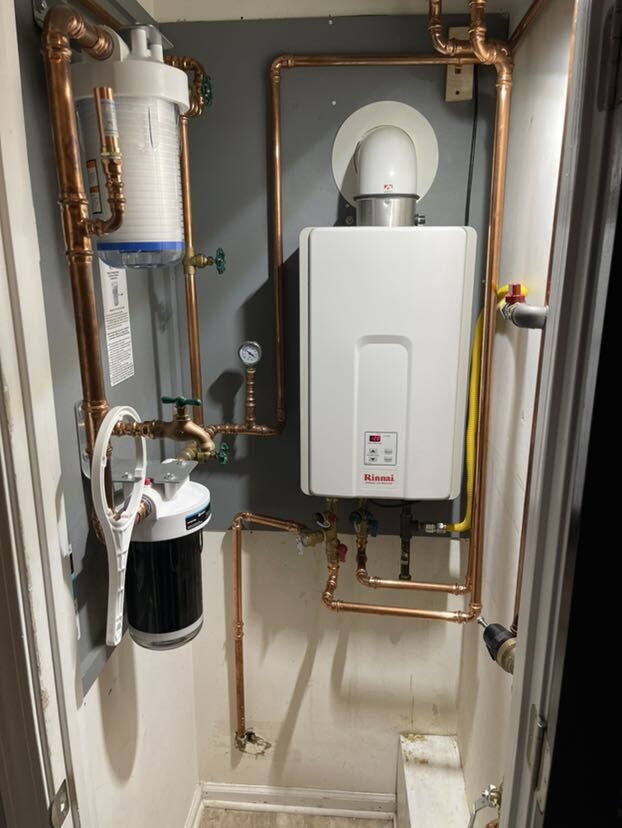
A little maintenance goes a long way with water heaters. Most homeowners never think about their water heater until it stops working, but a few simple steps each year can add years to its lifespan and prevent costly emergency repairs.
Flush the Tank Annually
Sediment from minerals in your water settles at the bottom of the tank over time. This buildup forces the burner or heating element to work harder, reduces efficiency, and accelerates corrosion. Annual tank flushing removes most of this sediment. Homes in areas with hard water, common throughout Holly Springs and Waleska, should consider flushing every six months.
Check the Anode Rod
The anode rod is a metal rod inside the tank that attracts corrosive elements in the water, protecting the tank itself from rusting. Over time, the rod corrodes and needs replacing. Anode rod replacement every two to three years, when it is significantly worn down, can add several years to your water heater's life.
Test the Temperature and Pressure Relief Valve
The TPR valve is a critical safety device that releases pressure if the tank gets too hot or builds up too much pressure. Test it once a year by lifting the lever briefly. Water should flow freely and stop when you release the lever. If it drips continuously or does not flow at all, have it replaced immediately.
Set the Right Temperature
Most manufacturers ship water heaters set to 140 degrees Fahrenheit, but 120 degrees is sufficient for most households. Lowering the temperature reduces energy consumption by 3 to 5 percent for every 10 degrees and reduces the risk of scalding.
Insulate Older Units
If your water heater is older and does not have built-in insulation, adding an insulating blanket can reduce standby heat loss by 25 to 45 percent. This is a low-cost improvement that pays for itself in energy savings within a few months.
Schedule Professional Inspections
While many maintenance tasks are DIY-friendly, an annual professional inspection catches problems you might miss. A technician can check gas connections, inspect the burner assembly, test safety controls, and assess the overall condition of the unit. Water Heater Rescue offers inspections for homeowners throughout Cherokee County and surrounding areas.
When Maintenance Is Not Enough
Even with perfect maintenance, every water heater eventually reaches the end of its life. If your unit is over 10 years old, requires frequent repairs, or shows signs of failure, it may be time for a replacement. Get a free assessment to see what options are available for your home.